The dappled view. Light through a tree canopy. Shoulder blades through a mesh top. Oncoming traffic through ice on a windshield.
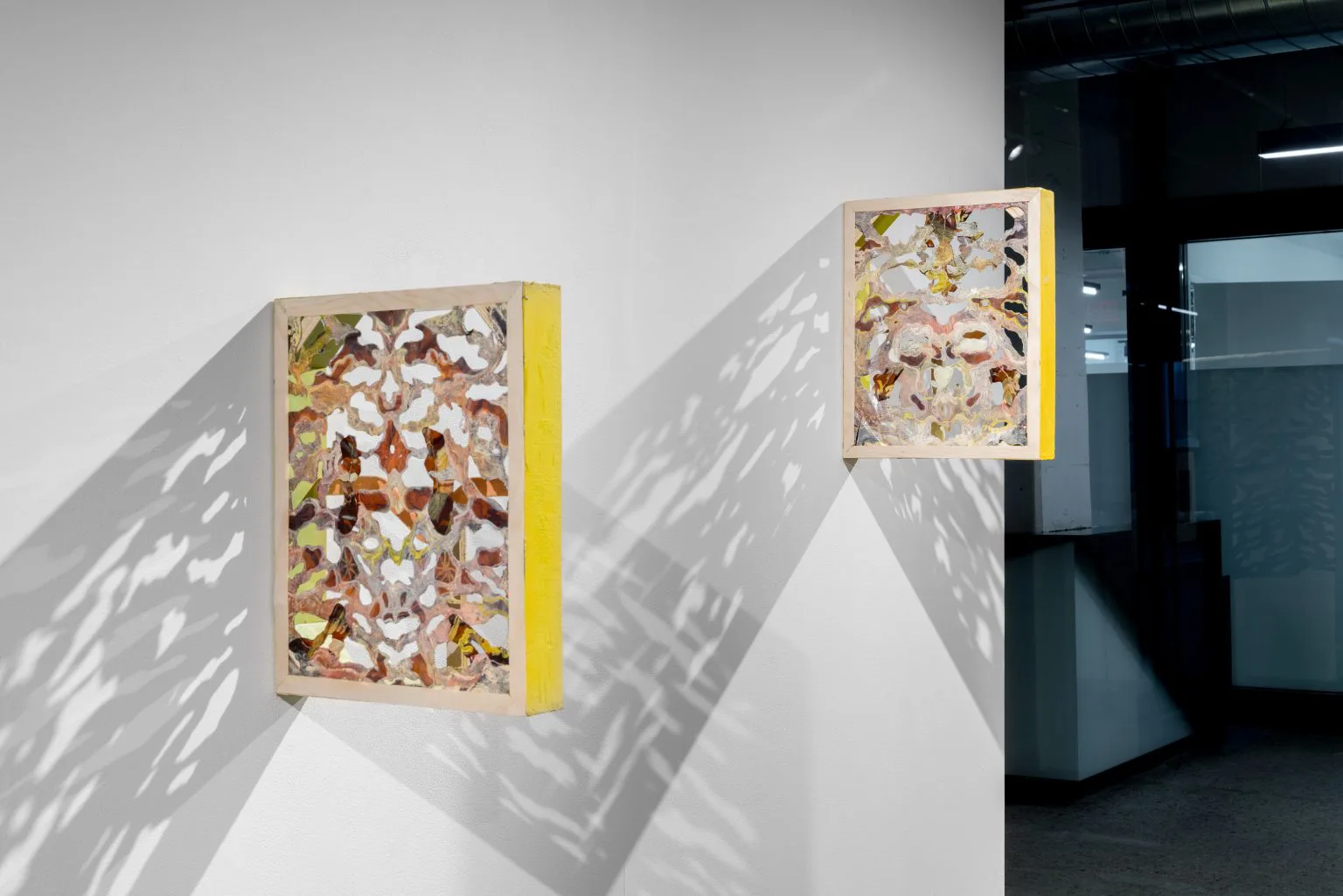
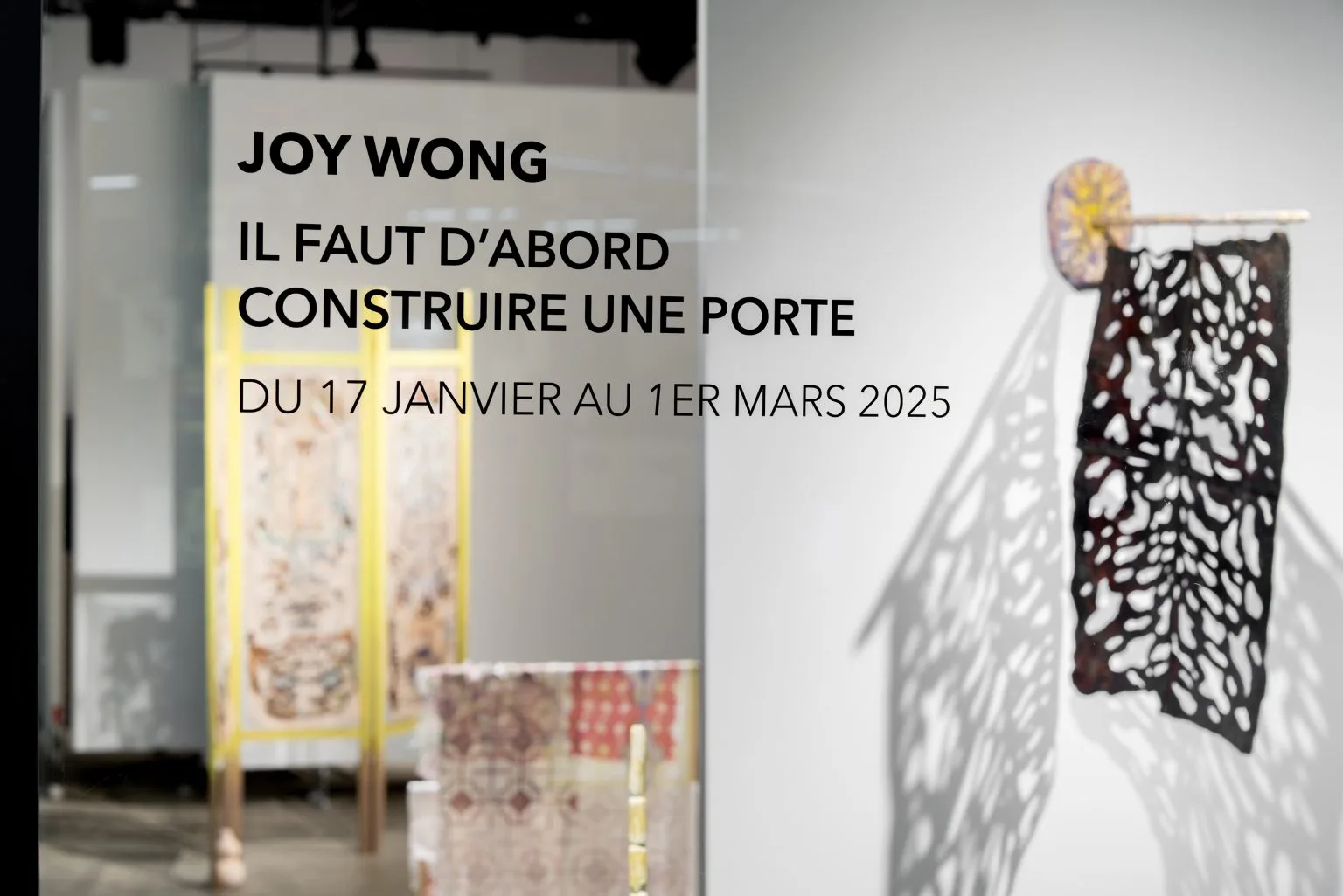
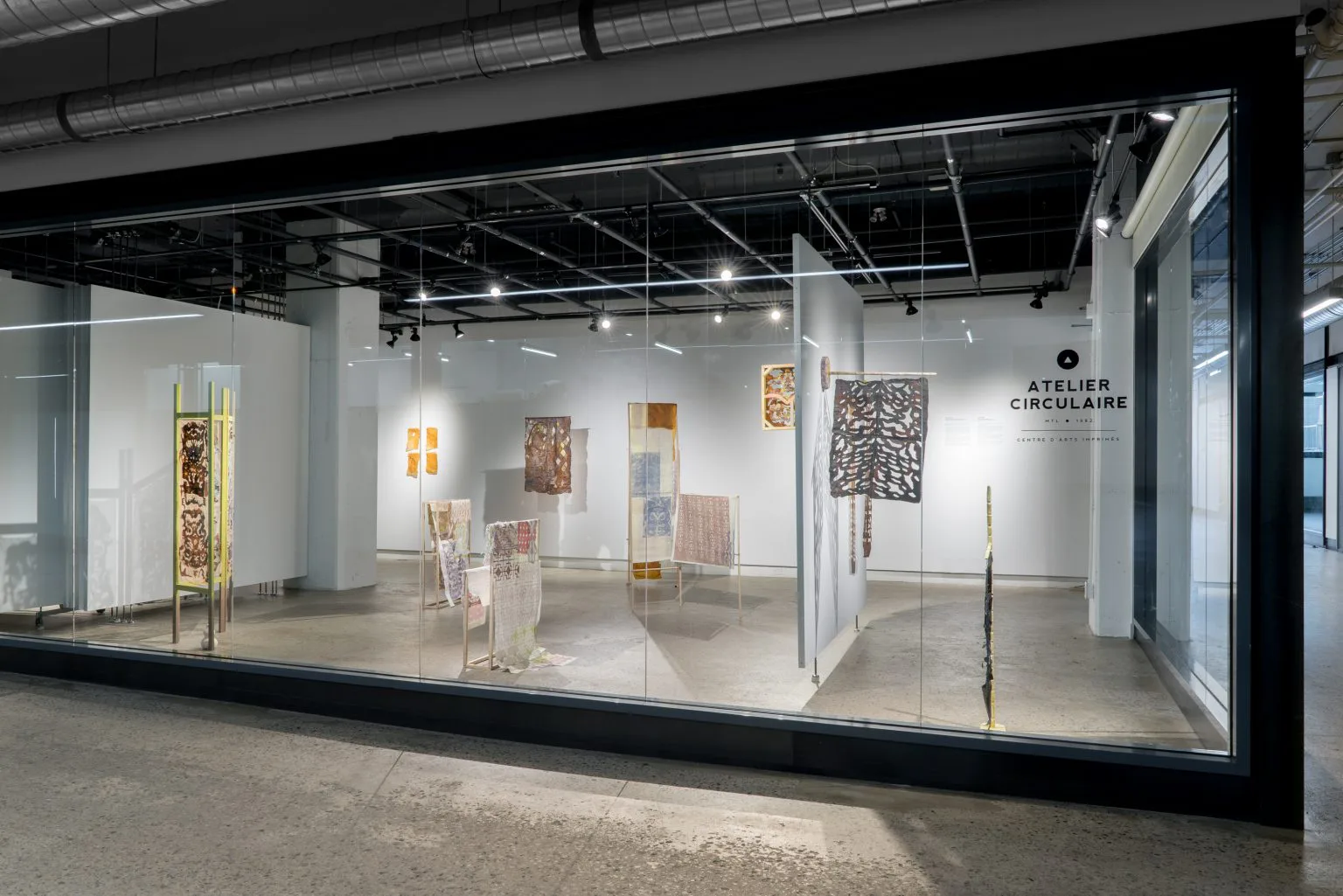
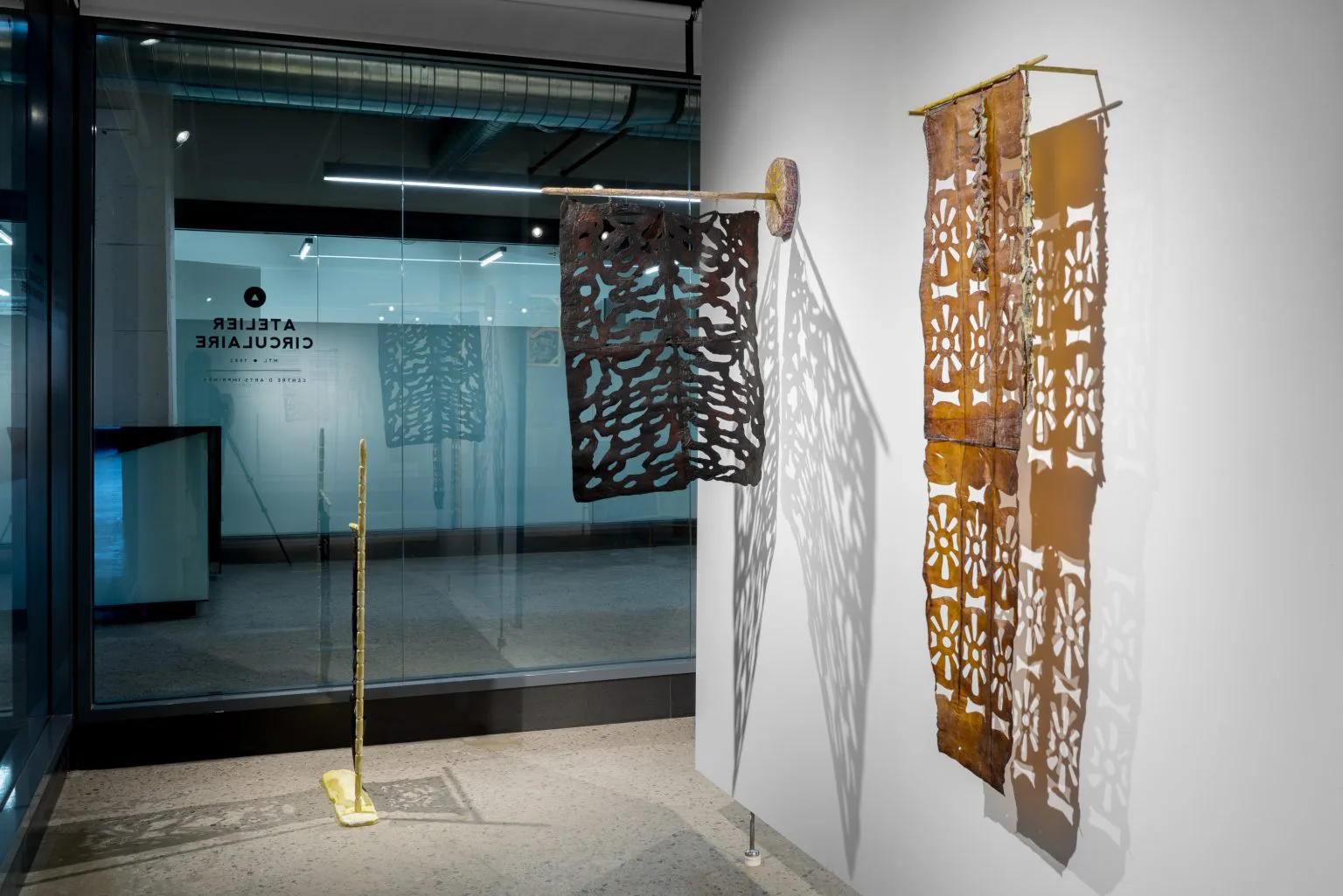
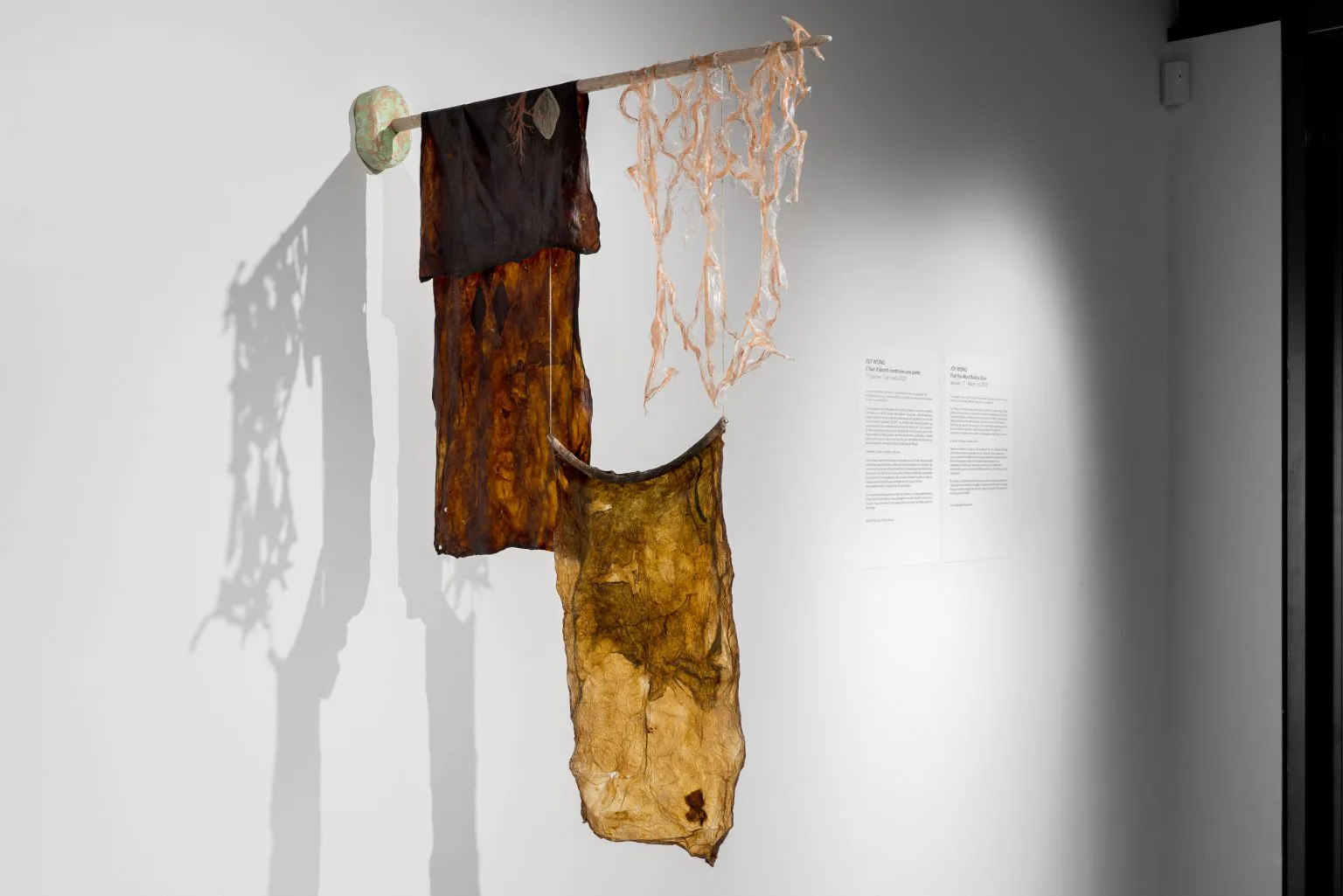
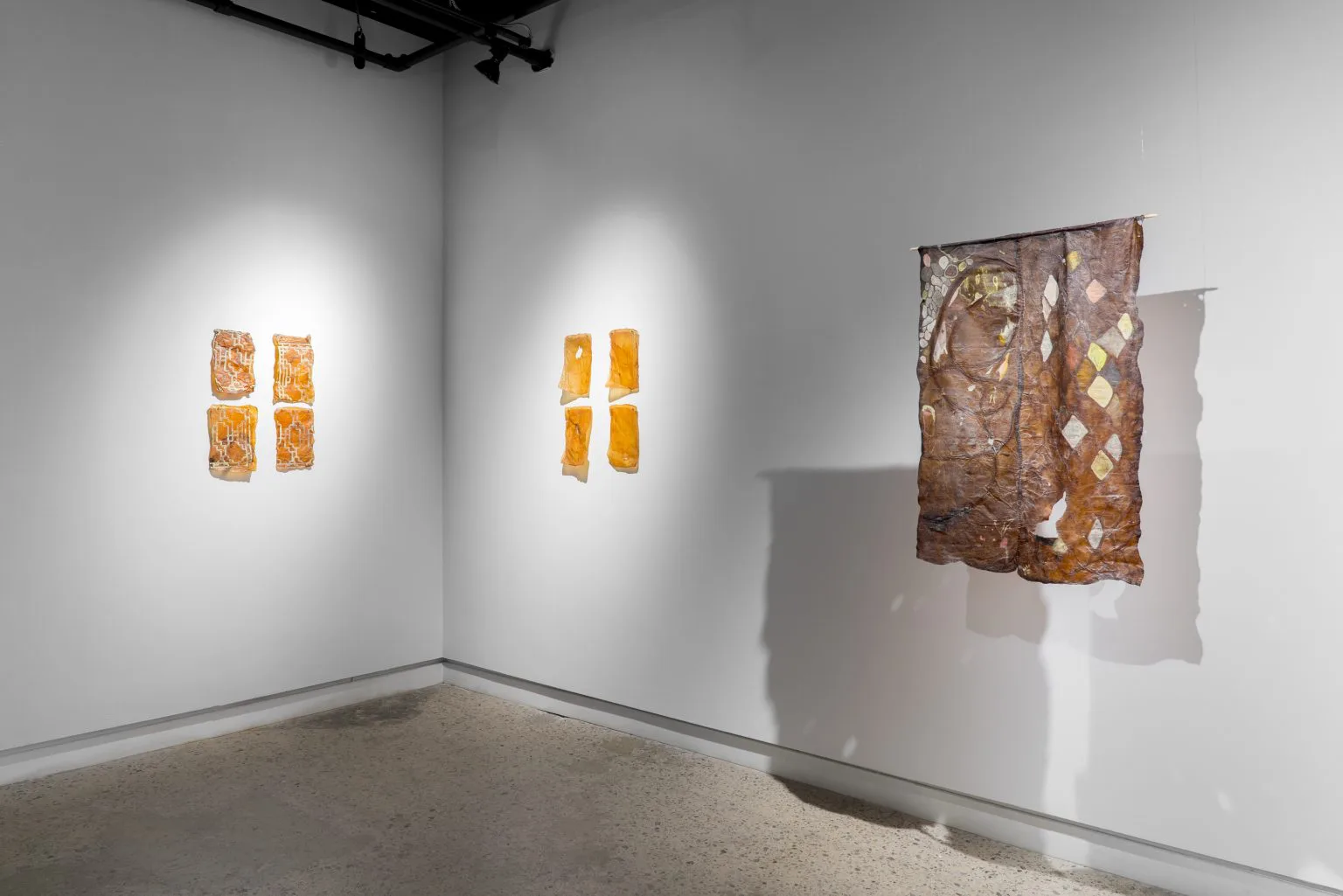
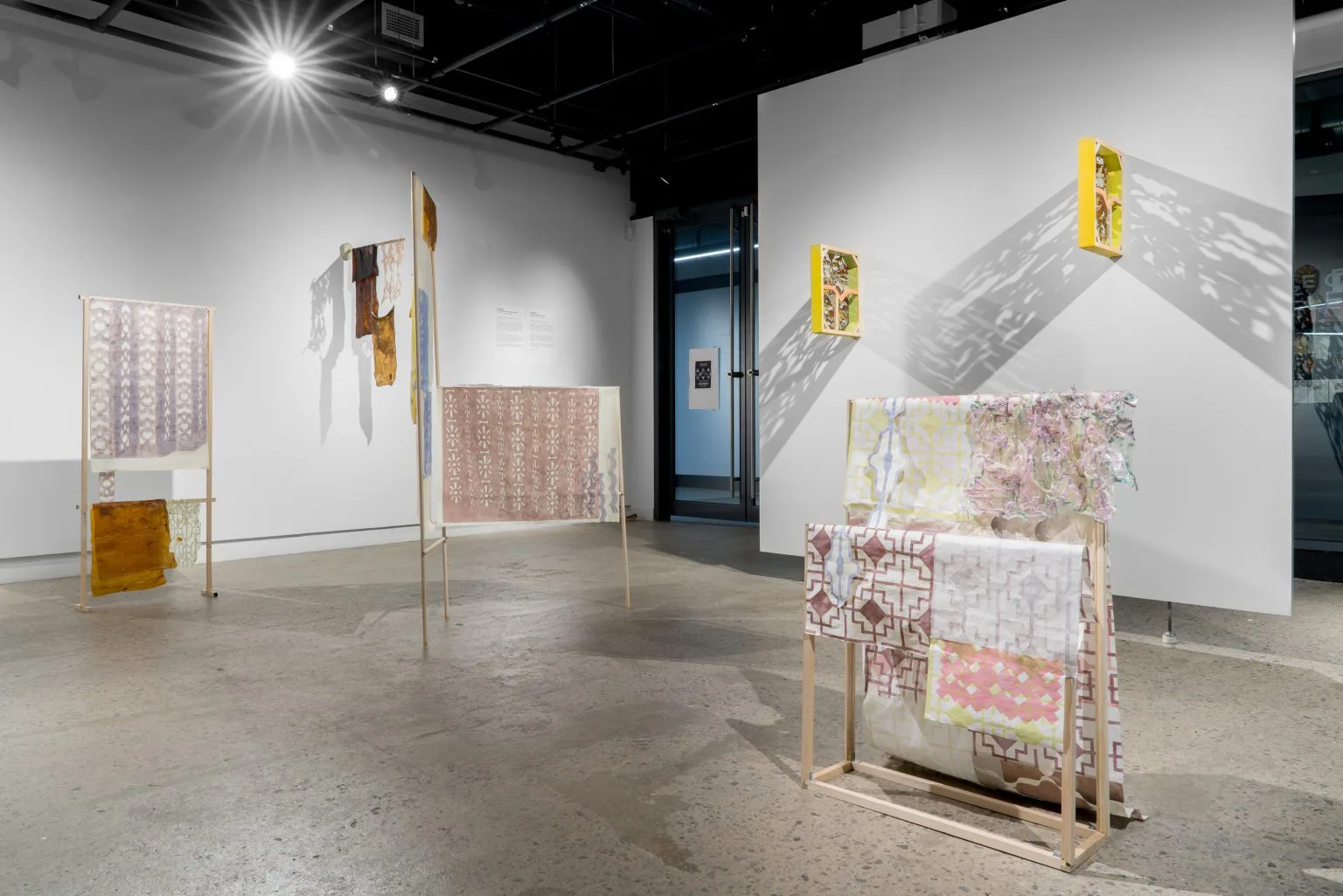
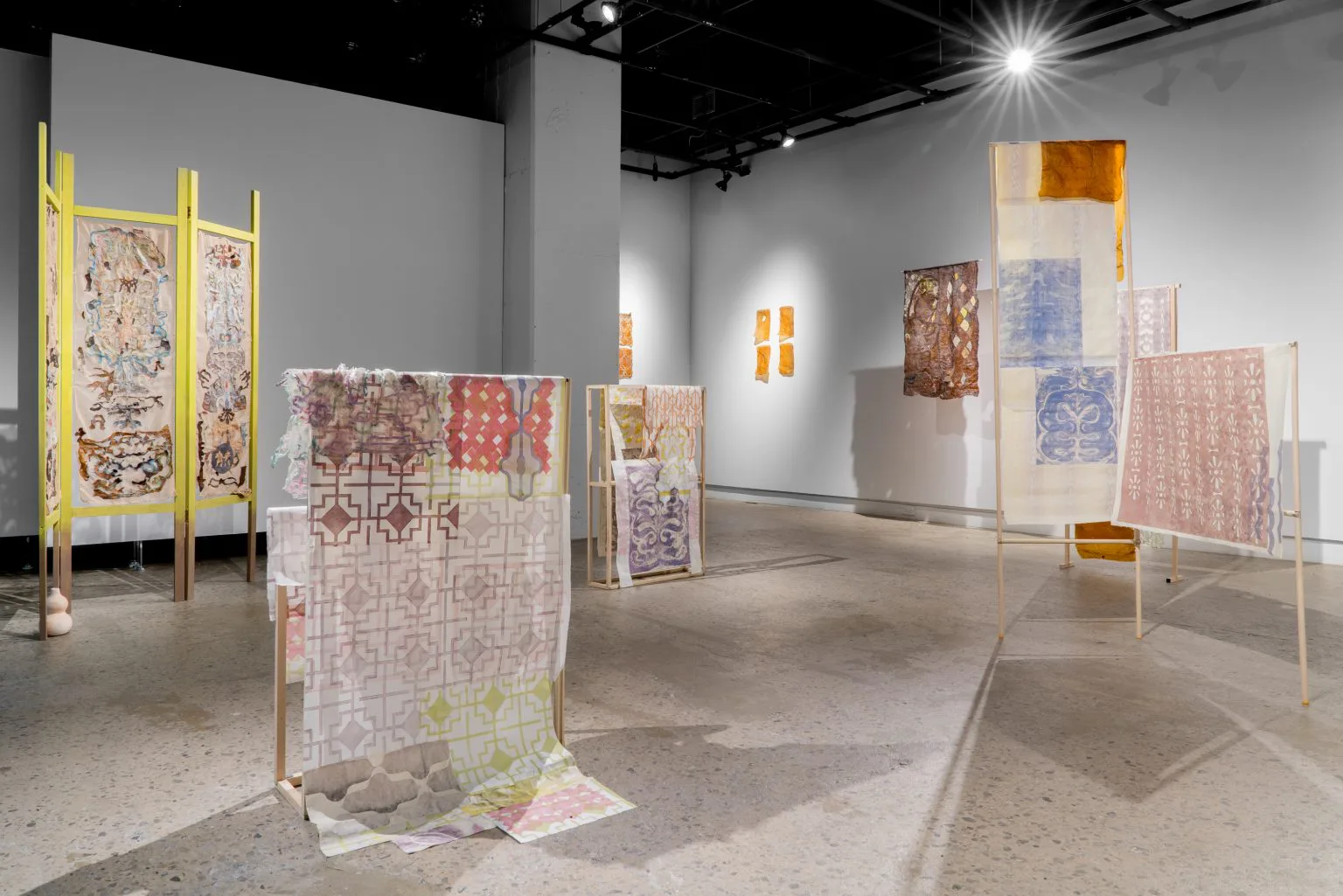
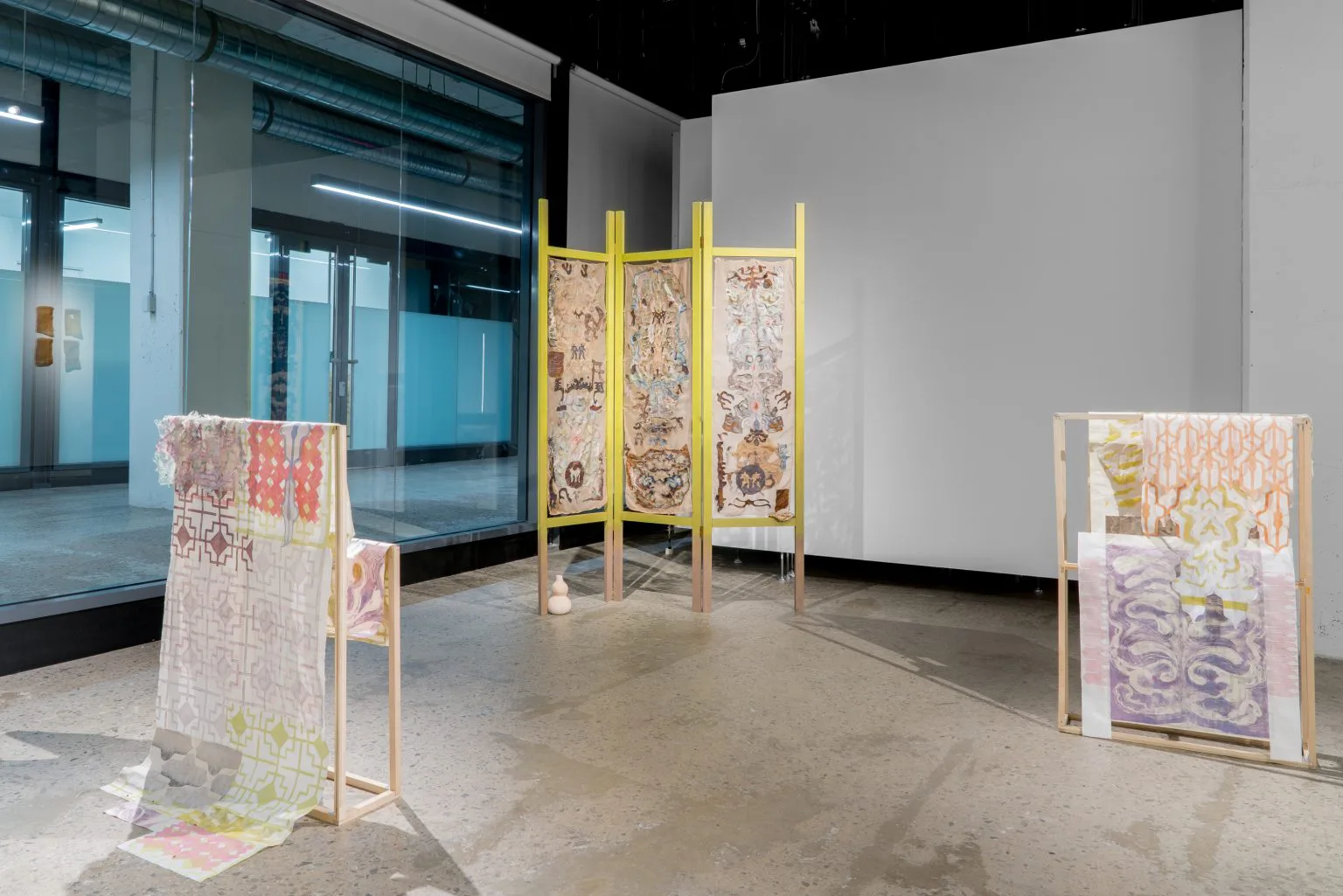
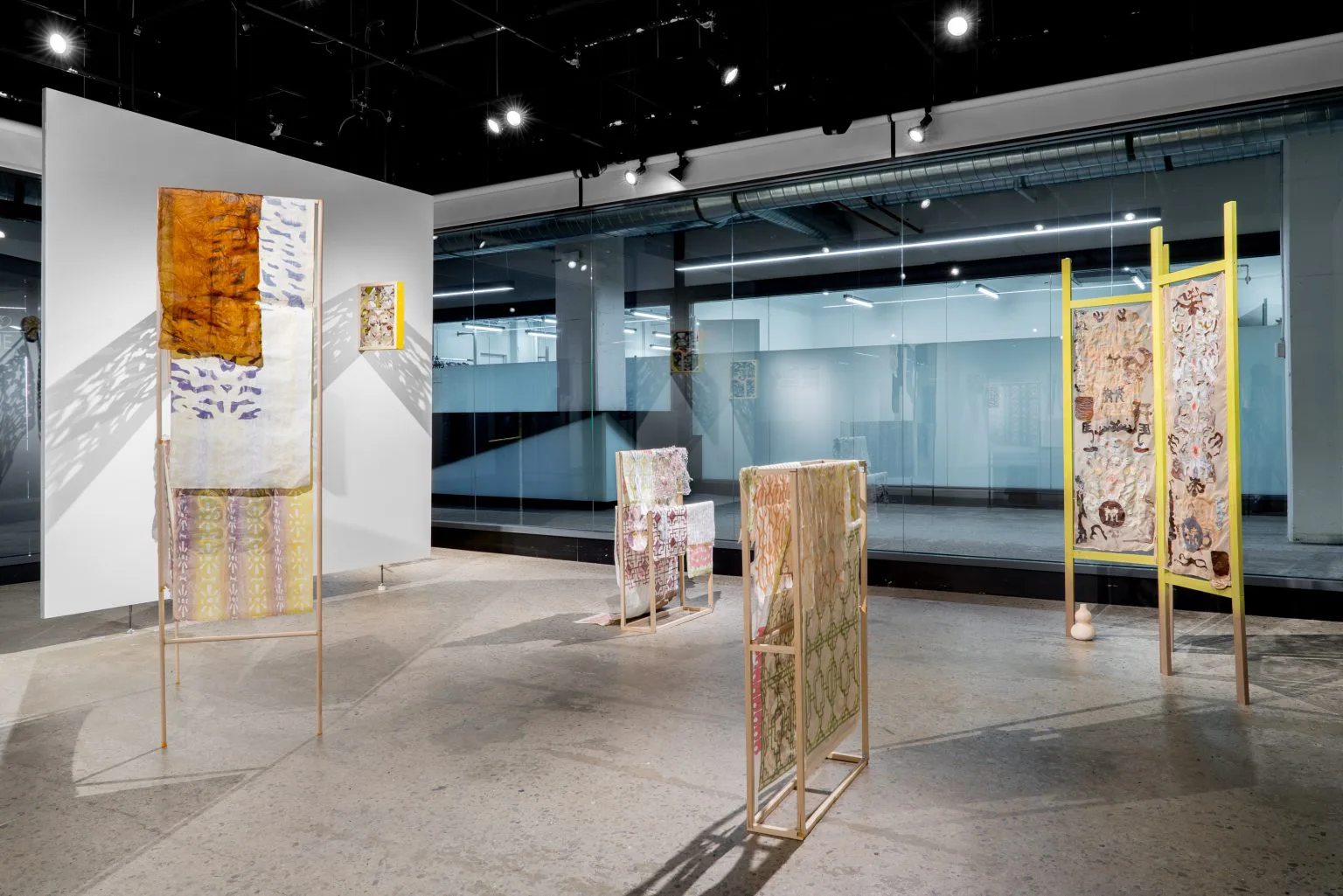
Joy Wong’s monoprints and cutouts are invitations to a partial view. These lattice works use viscous surfaces—starch-based biomaterials and Symbiotic Colonies of Bacteria and Yeast (commonly known as SCOBYs), those slippery cellulose biofilms which self-replicate in the kombucha jar—to frame and filter what we see and how we see it. The ornate fragmented shapes they form echo their composition: each colony is home and protector to thousands of microbes which meet in archipelagos across Wong’s practice.
A mother. A shelter. A screen. A skin.
These are invitations to linger on the surface or the limit. Stretched flat like animal hide, they are ornamental and non-utilitarian. These surfaces are porous, opening the scaffolding which sustains them to the elements. Blurred distinctions between inside and outside frustrate projection and transparency. Incisions give way to the room beyond, and each work exponentially grows in volume by folding surroundings into the logic of its composition.
A symbiotic sociality emanates from the work, one in which every element is a participant both distinct and caught in a shared and shifting fabric. Seeing through and seen through, we are both subject and object. The pleasure is in being just out of reach.
Text by Georgia Philips-Amos
Wong received their MFA from Western University in London, ON, where their thesis research was awarded a Sshrc grant. They were a finalist for the 2018 RBC Canadian Painting Competition and they were the 2019 Pope Artist in Residence at NSCAD. Wong would like to thank the Toronto Arts Council, the Ontario Arts Council, and the Canada Council for the Arts for their generous support.
Biography
Biography and artistic statement
Joy Wong is an artist and educator based in Tkaronto/Toronto with Hong Kong/Cantonese settler heritage. Focusing on material connections with the shifting physicality of the body, they are interested in precarity and fluctuating surfaces, and have worked in print media, painting, fermentation, and poetry. Intrinsic to their material research are the impressions on the corporeal made from a queer and diasporic experience. Personal history informs research about what it means to reckon with a body in space, meditate on the abject, and navigate the meeting point of preservation and destruction. Lately they have been investigating the notion of the matrix, both as the origin of production and the source of repetition and mutation of form and ideas.
Description of the artistic process behind the works presented
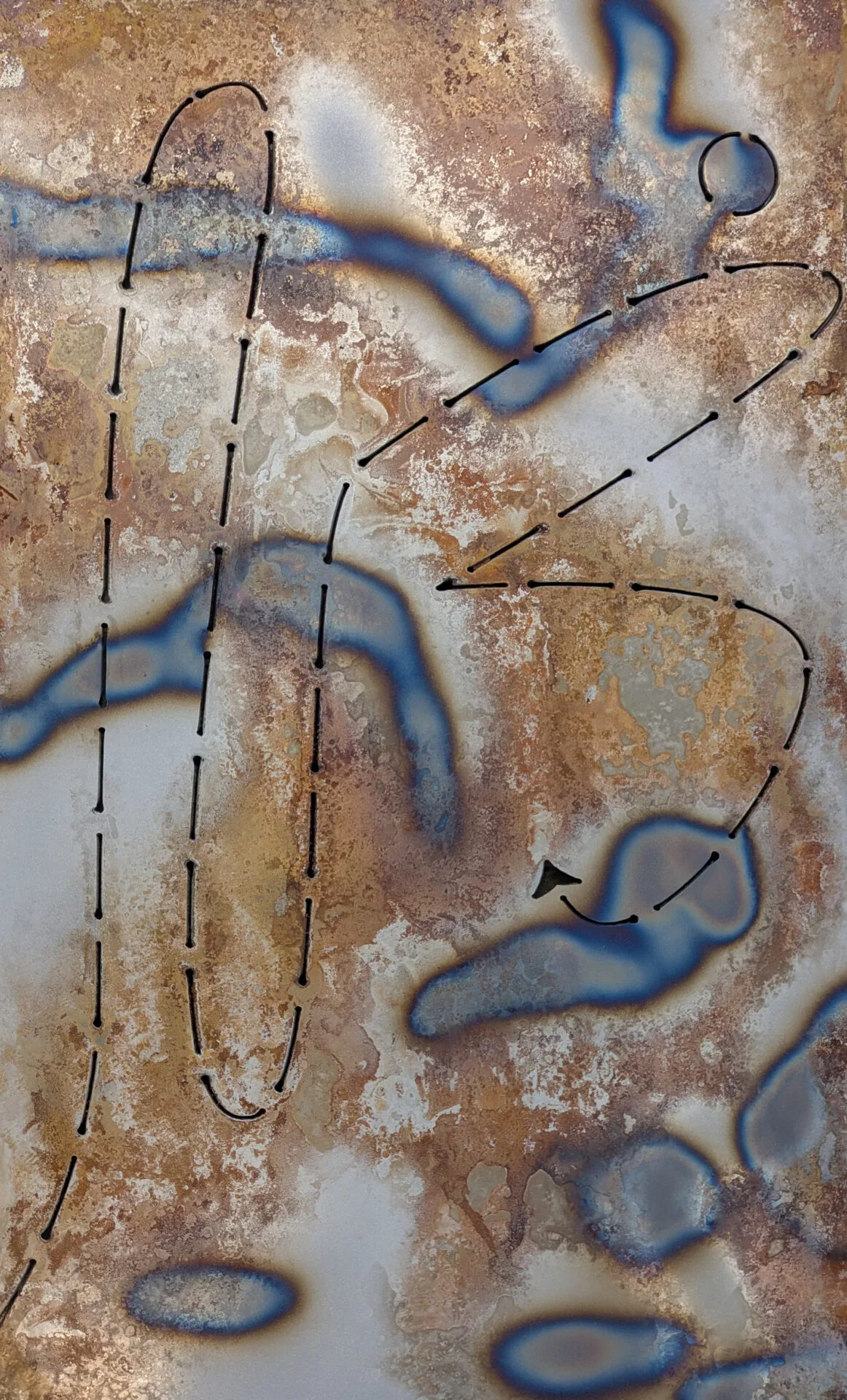
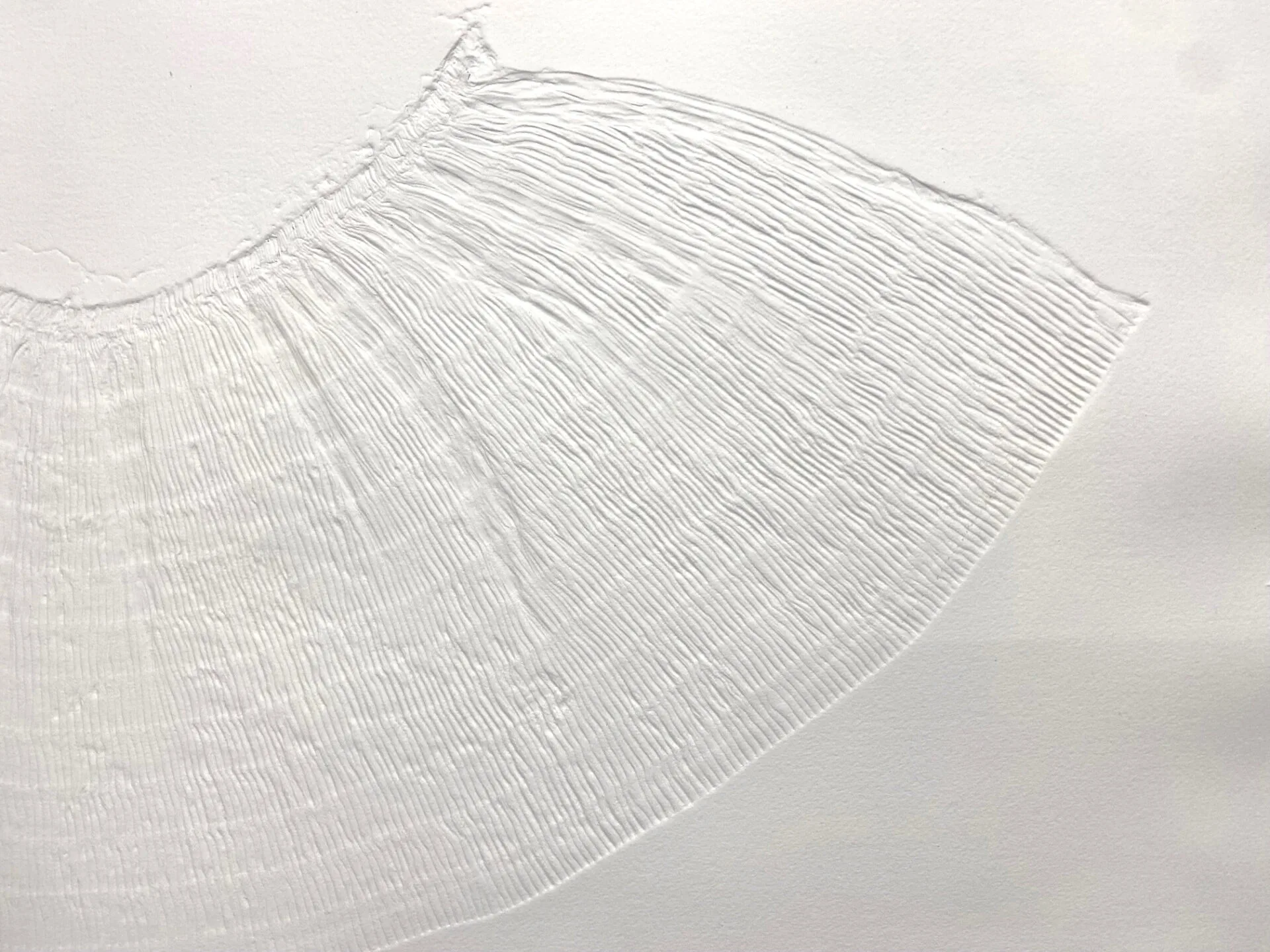
These works are an exploration of materiality, matter, and matrices. I have used a combination of acrylic mediums, bioplastics that are starch- and cellulose-based to create monoprints. The notion of the printed surface that begins first as wet and slippery before solidifying into translucent skins was interesting. This material investigation led me to consider the permeable, complicit, and relational aspects of printmaking. The imagery of the works are derived from patterns from windows, gates, and other thresholds of domestic spaces, and created via embossing and monoprinting methods.